EL PRECIO DE LA TIERRA
Not just a photography project. A long, slow journey, full of questions.
A decade in the Andes to understand the true price of what is extracted from the earth.
10 years · 5 countries · 35+ communities · 81 exhibitions in 29 countries ·
50+ publications · 1 Book · 1 Fanzine · 1 Documentary Film · 1 TEDx talk
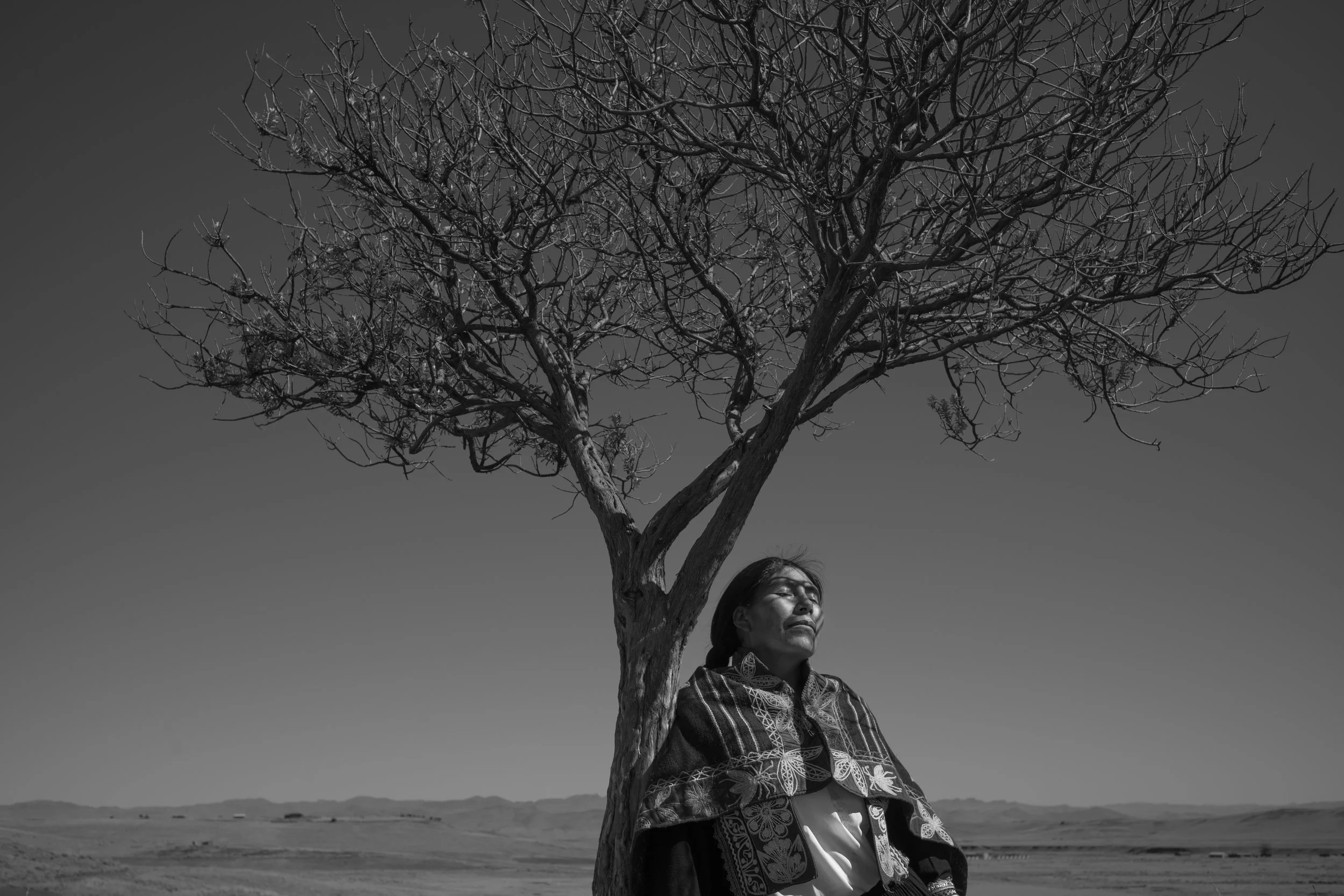
For more than ten years, I have followed a single question across the Andes of Peru, Chile, Argentina, Bolivia, and Ecuador: what is the true price of what is extracted from the earth? Copper, gold, and lithium travel north to feed a model of development, and now the energy transition as well. What remains here is contaminated water, toxic metals in the blood, divided communities. And people who defend their land with dignity. To tell this story, I changed my life and moved to South America.
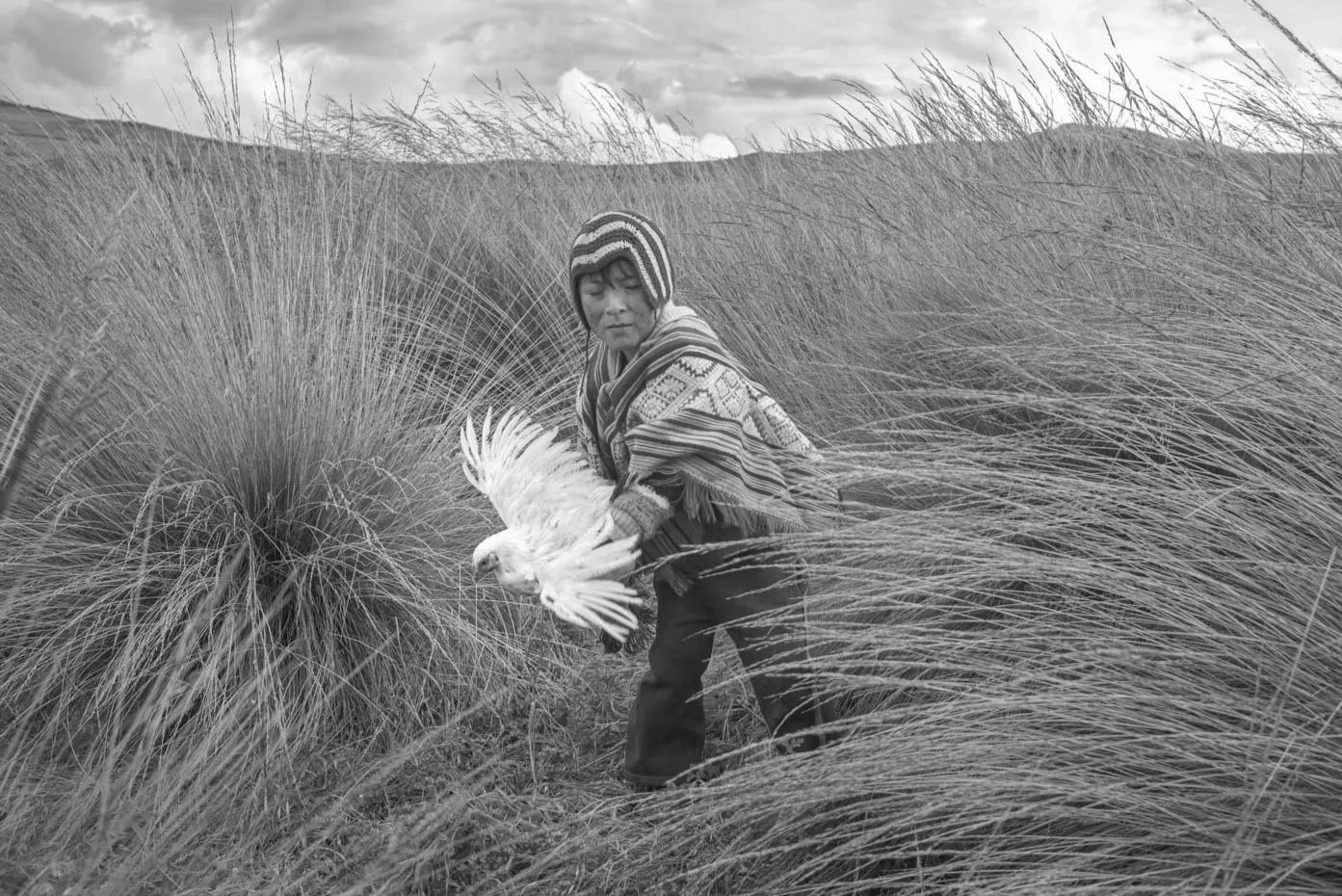
Here, the land is not just a resource. It is memory, body, spirit. It is mother and root. At high altitude, where oxygen is scarce but resistance runs deep, extraction does not only dig into the ground: it breaks bonds, divides communities, and turns sacred landscapes into sacrifice zones.

Peru, 2017
In Espinar, Peru, families live alongside copper mines, with heavy metals in their water and in their bodies. In Ecuador, more than thirty families were forcibly evicted to make way for the Mirador mine. In Andalgalá, Argentina, not a single Saturday has passed since 2010 without a march against the mine. In Potosí, Bolivia, people still die underground searching for minerals. In Chile's Atacama Desert, copper and lithium compete with communities for water.
None of this is accidental. It follows global logics of economic neoliberalism and extractive neocolonialism, which repeat an unequal relationship between North and South, between those who decide and those who resist. And the price is not paid only in the mines. I have seen water become scarce, climate change transform the lives of alpaca herders, entire families harvest fog in order to drink. Each chapter of this work is a different way of asking the same question.

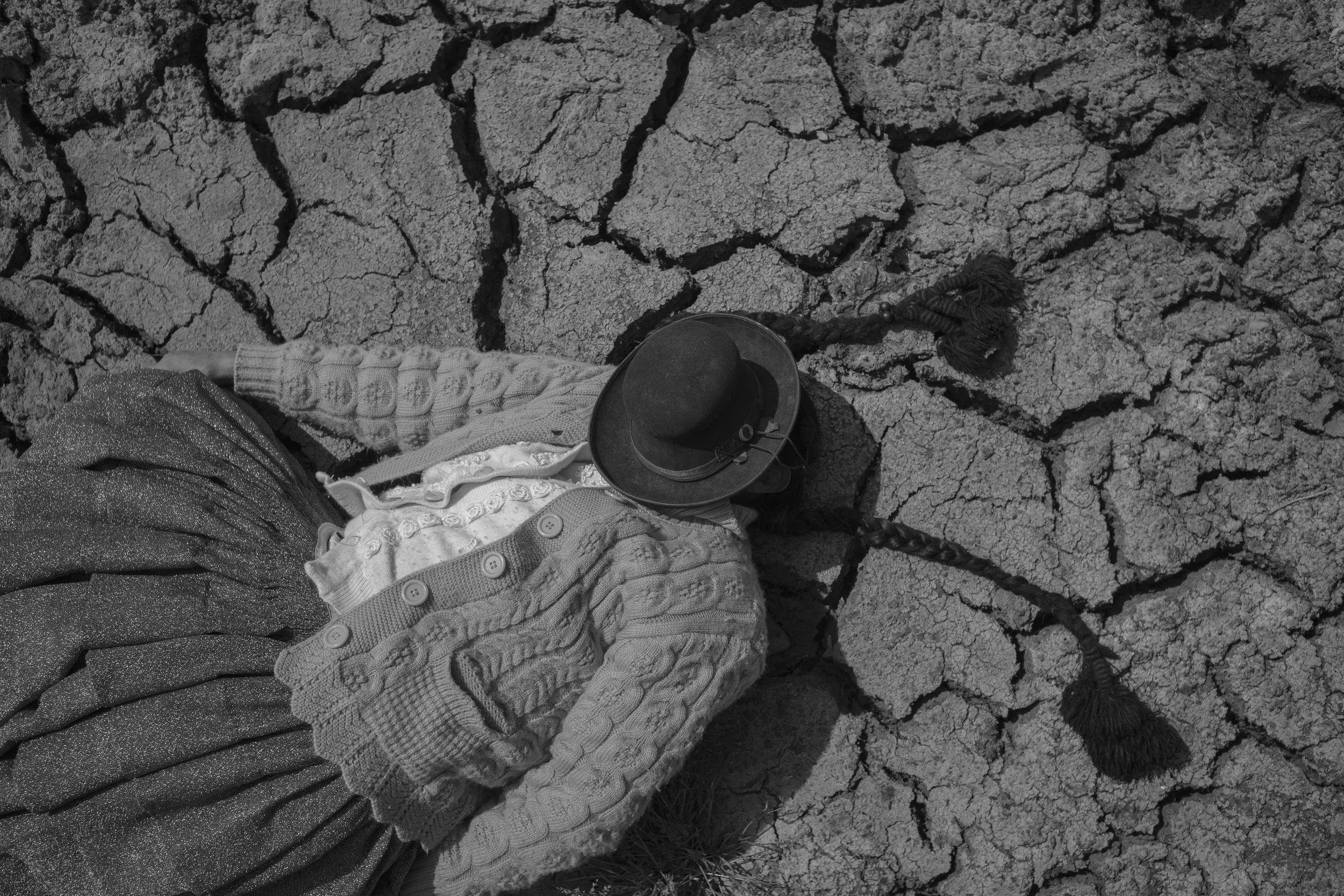
I have also seen Indigenous voices, silenced for centuries, resist. Not through hatred, but through wisdom, organization, oral memory, and spirituality.
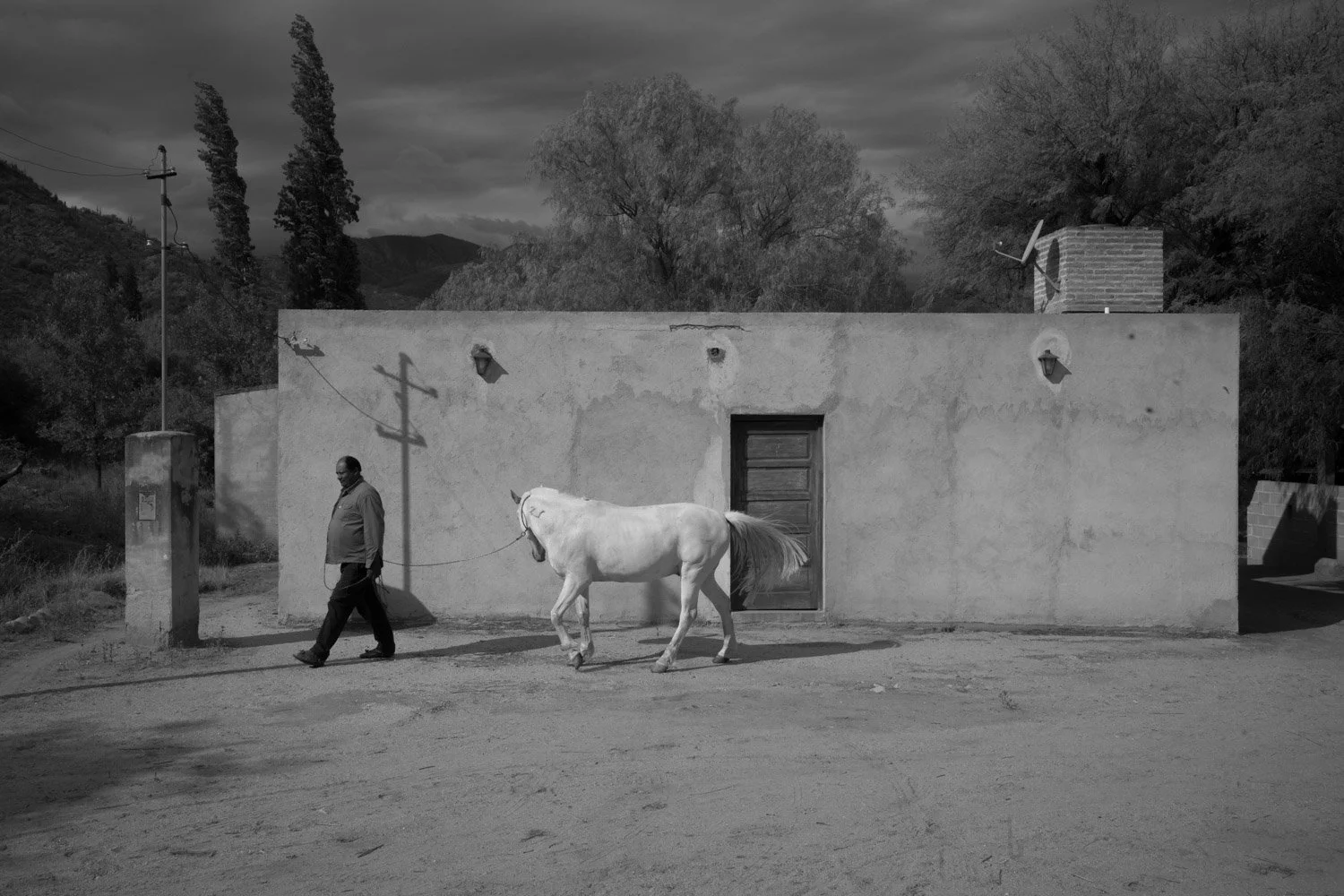
This project tries to break down borders: the wounds of Espinar resemble those of Jujuy, the scars of the Atacama Desert are reflected in the mountains of Challhuahuacho. Rather than a political map, I have tried to weave an emotional one, bringing these struggles together as if they were a single voice. My approach is documentary, but with an ethical and poetic intention: I am not only trying to denounce, but to take care in how pain, pride, and hope are told.
Along the way, I learned to listen. To arrive not with answers, but with respect. To understand that accompanying someone does not mean speaking for them, but creating spaces where those voices can travel beyond the mountains. I also learned to recognize my privileges: being able to leave, to choose, to go home with photographs. That is why I know photography can also become a form of extraction, and that the real question is what you leave in return. For me, it means coming back, keeping relationships alive, sharing the work, and accepting that not everything belongs to me, not even what I have photographed. That is how the project returned to the communities, through a fanzine distributed across the Andes and donated copies of the book. And none of this would have been possible without Vidal Merma, a Quechua journalist and activist from Espinar, with whom I have shared much of this journey.
Even in places marked by exploitation, I found rituals, songs, and celebrations, a relationship with nature that defies extraction with a strength that cannot be photographed, only felt.
This work is a visual letter of love and concern for the peoples who care for the earth.
If we keep extracting without listening, what is at risk is not only the environment. It is our ability to imagine a different future.


Audio Story in Spanish
Documentary film
The trailer for the documentary “El Precio de la Tierra” is now available. This film is inspired by the photographic project of the same name and aims to bring to a broader audience the complex dynamics between indigenous communities and large mining corporations operating in South America.
Filming took place across Ecuador, Peru, and Bolivia in August 2022, offering a comparative look at the mining situations in these three Andean countries. “El Precio de la Tierra” marks Alessandro Cinque’s directorial debut, an enriching and transformative experience.
Produced by the NGO WeWorld Onlus, whose extensive work on mining issues in Latin America was essential to the project's realization, this documentary reflects their continued commitment to addressing the impact of mining in the region. Their support was instrumental in turning the vision of this film into reality.
We are deeply grateful to the individuals who generously shared their stories and experiences across these three countries, offering invaluable insights into how mining affects their lives and communities.
“El Precio de la Tierra is a powerful testament to the resilience of these communities and the complex realities surrounding mining in the Andes.
Credits:
Client: WeWorld Onlus - Director & Director of Photography: Alessandro Cinque - Storytelling: Carla Samon Ros
Language: Original Spanish language, subtitled in English.
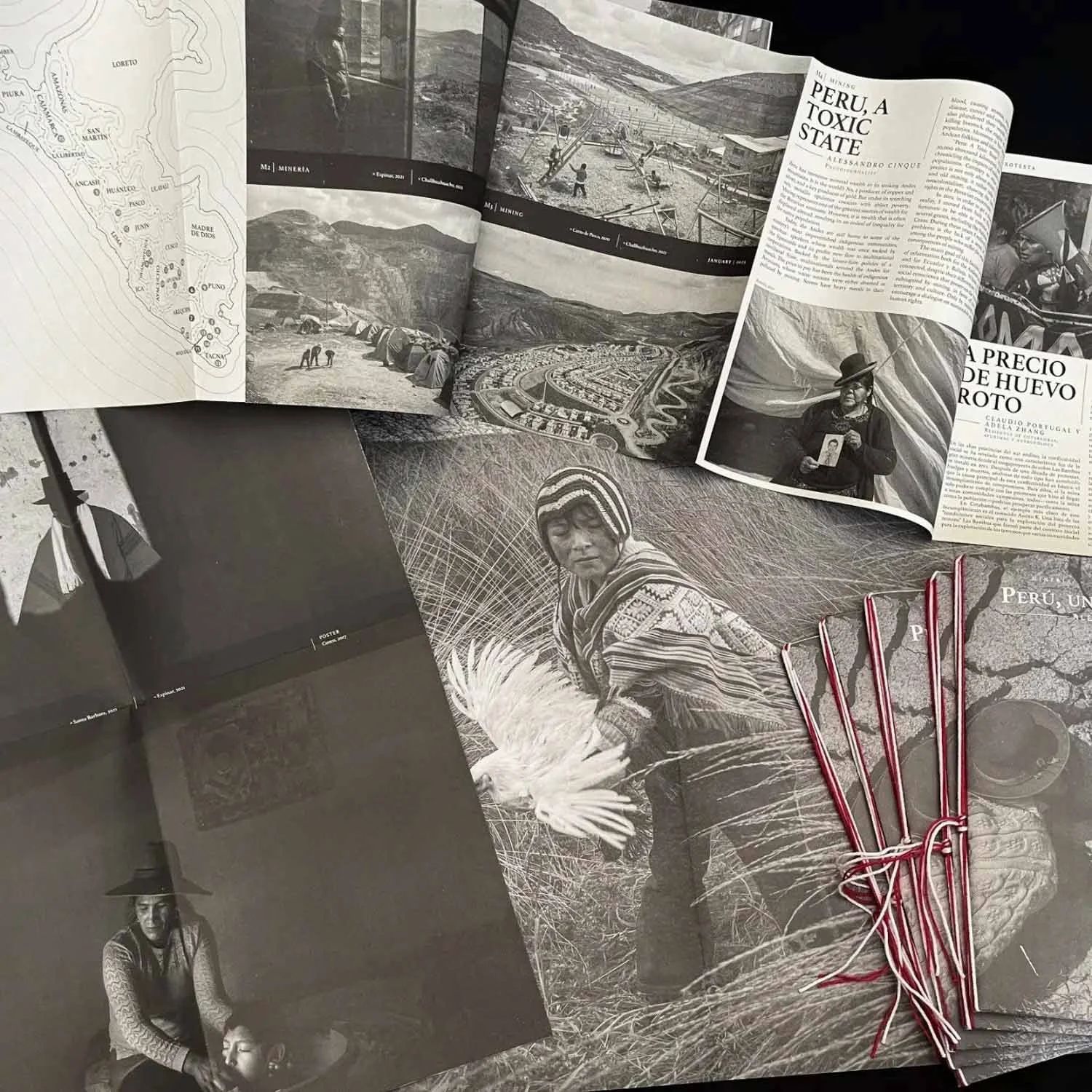
Fanzine
This publication emerges at a critical time for Peru, shedding light on the current situation in the country's Andes. It aims to provide context and insight into the motivations behind the recent protests in these regions, which are rooted in the long-standing challenges faced by the indigenous Quechua communities due to the nation's neoliberal economic policies.
Produced with the support of a grant from National Geograophic Society, this fanzine is not available for sale. A total of 500 copies have been printed and will be distributed across the Andes of Peru, Ecuador, and Bolivia throughout 2023. The objective is to inform indigenous communities about the ongoing developments related to mining activities, fostering dialogue among communities experiencing similar circumstances in different locations.
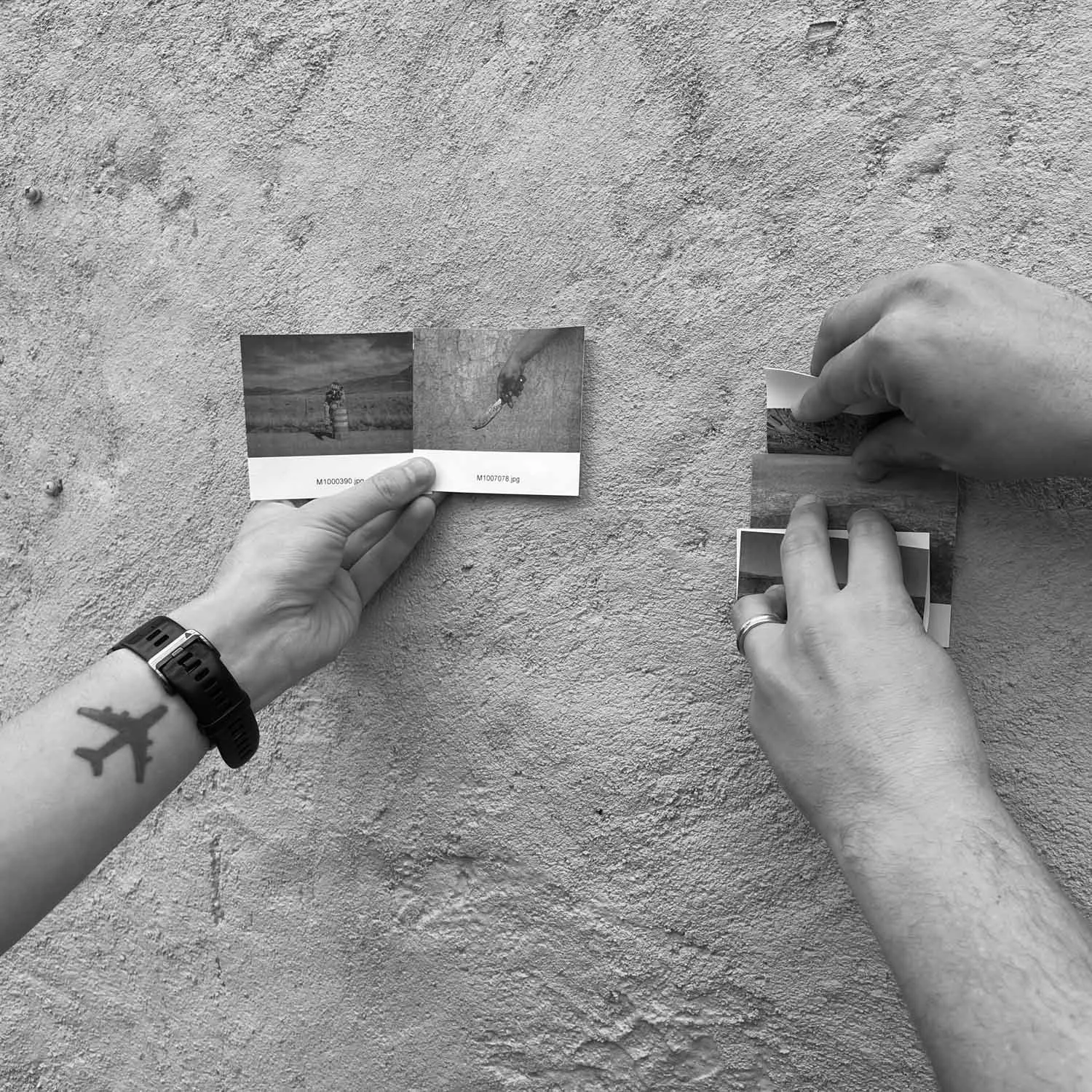
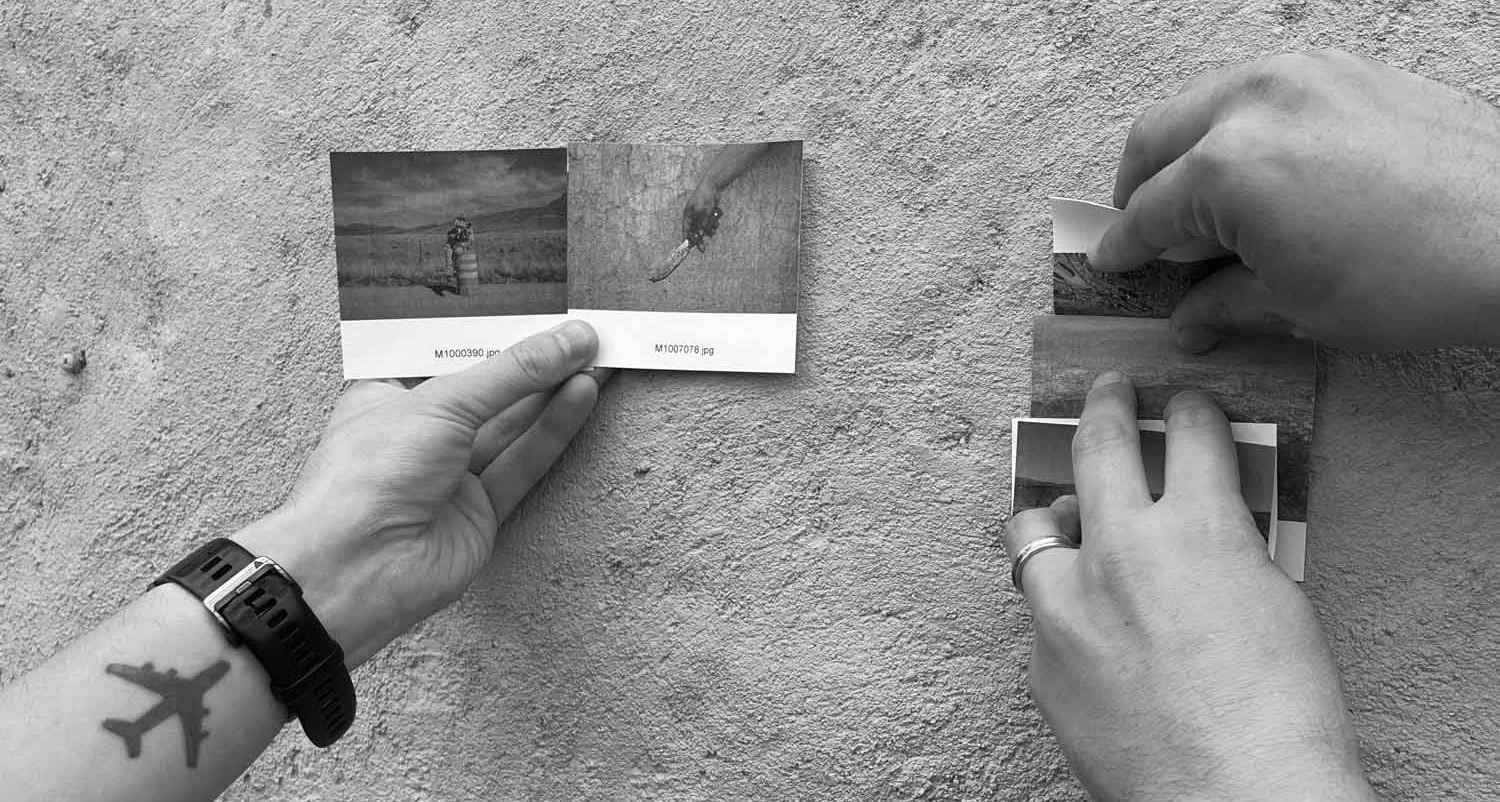
The fanzine, conceptualized by Master Santiago Escobar, is designed in two distinct sections. The external part, crafted from thick cardboard, allows communities to cut out and utilize the photographs, while the internal section is printed on recycled newsprint, enhancing its accessibility and sustainability. This approach aims to reach remote areas where traditional local press often does not penetrate.
The publication features contributions from Quechua indigenous activist and journalist Vidal Merma from Espinar, activist and municipal council member of Espinar Ariana Kana, anthropologist Adela Zhang, campesino leader Claudio Portugal, and environmental health expert Fernando Serrano from Saint Louis University, Missouri.
Special thanks to Sarah Leen for editorial support and to Natalia Alana for photo post-production. Gratitude is also extended to @rayaeditorial, @escobart, and @lopezbrachs for their design and production efforts, as well as to the @insidenatgeo team members who provided invaluable support throughout this project: Rachel Strecher, Sana Ullah, David Lee, and Gael Almeida.
Special Thanks for the Texts to Carla Samon Ros, a special compain of this journey.


Exhibitions

Victoria and Albert Museum, London - UK

TOP Museum, Tokyo - Japan

Fotografiska, Shanghai - China
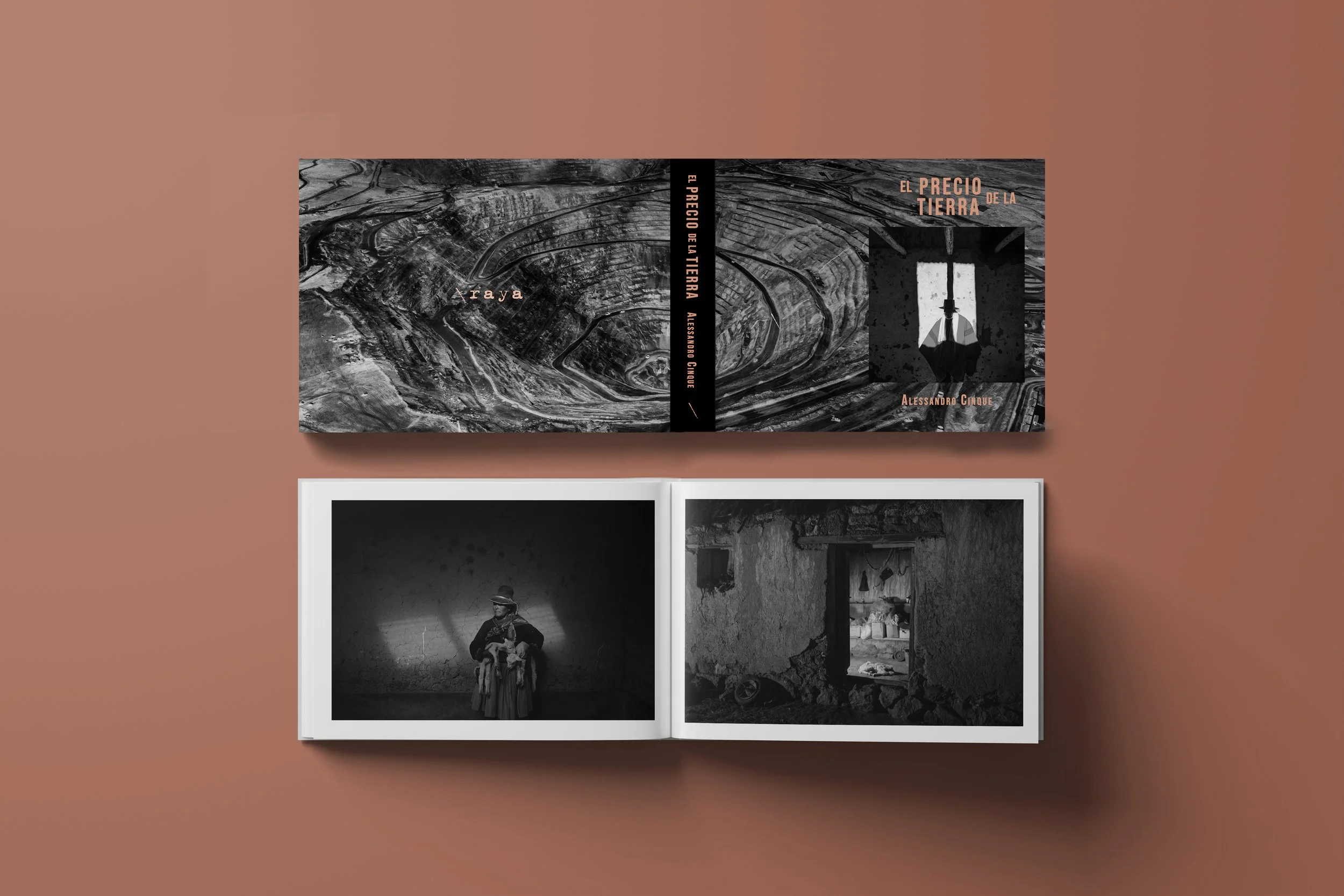
Book - El Precio de la Tierra
After a successful Kickstarter campaign supported by 349 backers, El Precio de la Tierra is now becoming a reality. What began as a long-term photographic project is now being transformed into my first monograph, thanks to the trust and enthusiasm of everyone who believed in this book from the start.
The first edition consists of 1,000 copies, and more than 400 copies have already been pre-ordered, with shipments going out to 29 countries around the world. The book is currently in production and will be ready to ship starting March 2026. You can now pre-order your copy directly through my online shop.
Designed by Raya Editorial, under the artistic direction of publisher Santiago Escobar, and edited by Sarah Leen (former Director of Photography at National Geographic), the book brings together nearly ten years of work documenting Indigenous resistance to mining across Peru, Chile, Bolivia, Argentina, and Ecuador.
The Kickstarter campaign was not only fully funded, but exceeded expectations—demonstrating how urgent and necessary this story is. Thanks to this incredible support, the book is now being printed and finalized.
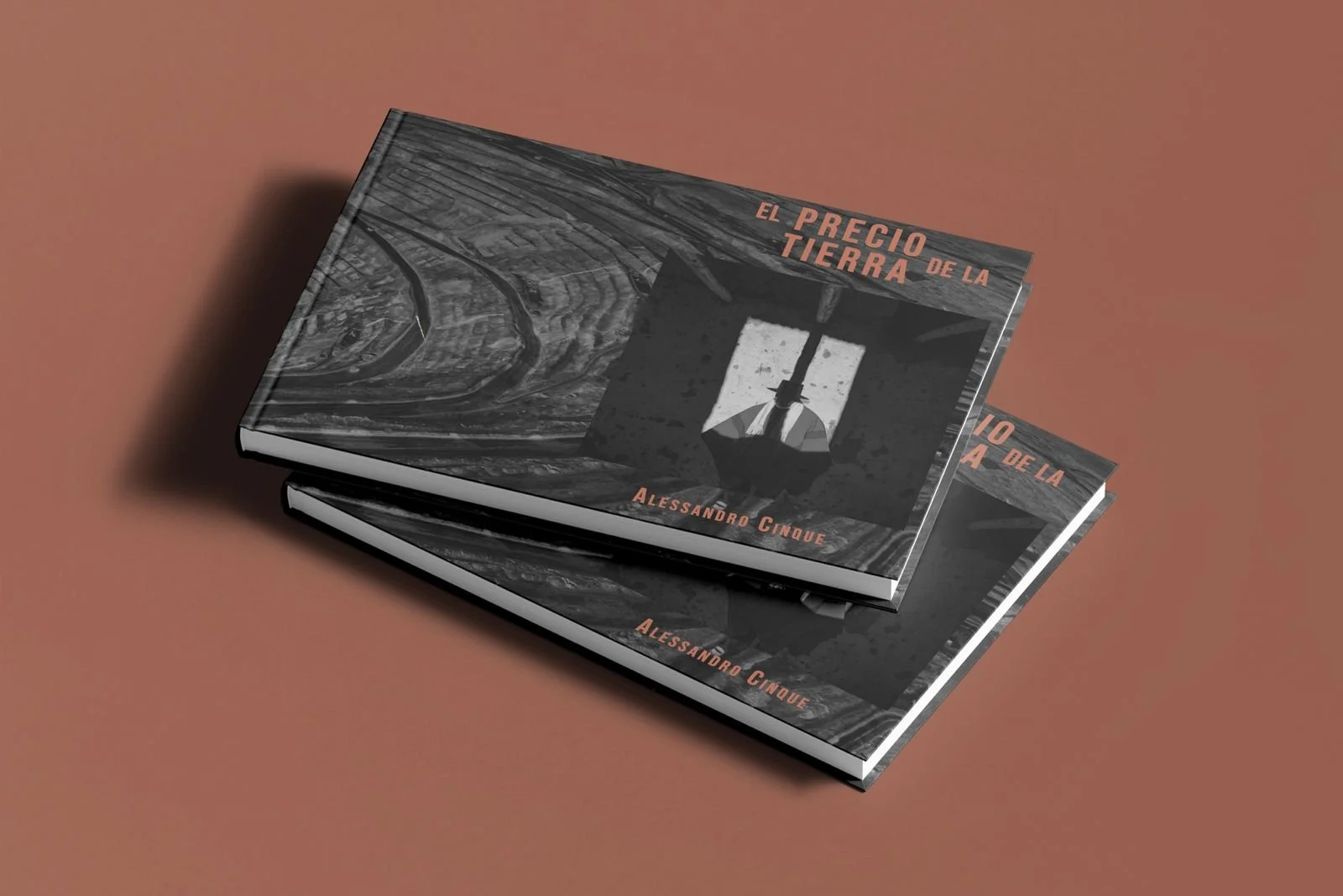
On this page you'll find mock-up images that accurately reflect the book’s size and design.
(Please note: these are preview visuals; the final printed version may include small adjustments.)
You can now PRE-ORDER the book directly on my shop, and be among the first to receive this limited first edition.
Thank you to everyone who made this possible—and to everyone who will continue supporting the journey of El Precio de la Tierra.






Support My Work
By supporting my work, you help amplify the voices of indigenous communities in Argentina, Peru, Chile, Bolivia, and Ecuador, where powerful mining corporations reshape ancestral lands.
This project has been in the making for almost a decade, documenting resistance, resilience, and the struggles for justice.
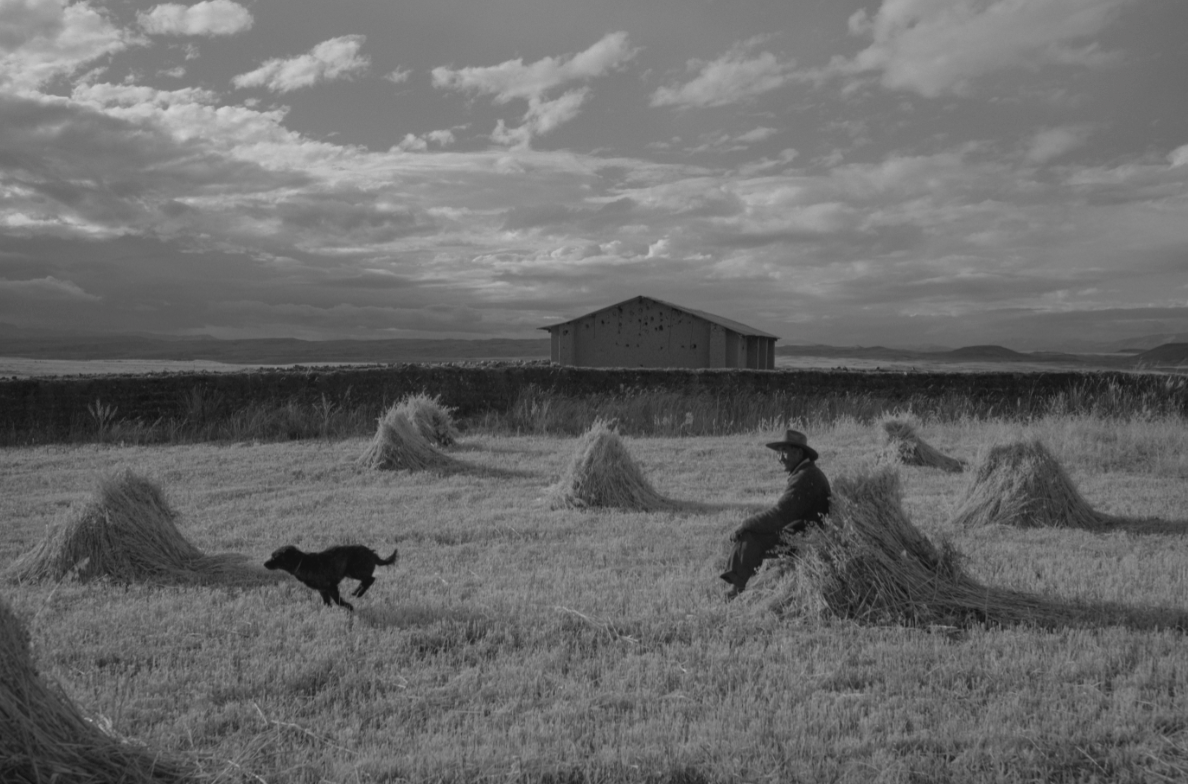
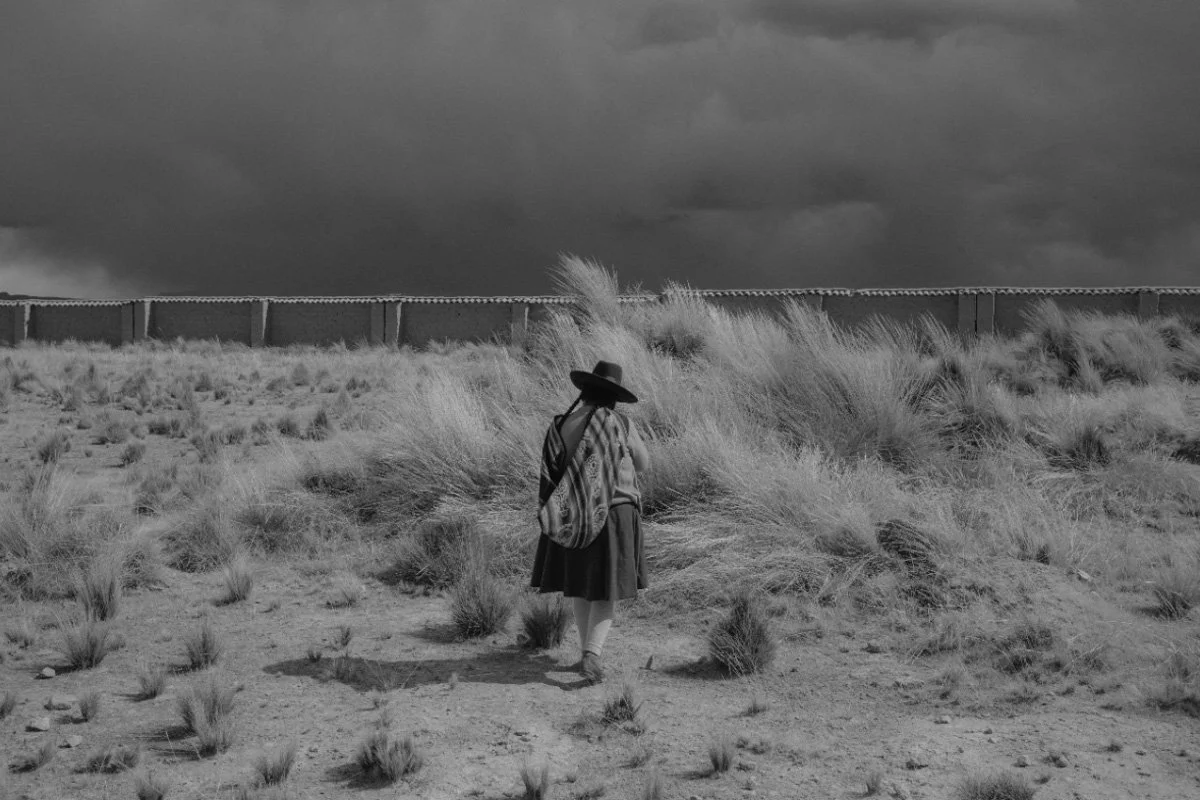
Through the purchase of a limited edition or open edition print, you become part of a collective act of resistance and storytelling.
If you wish, you can also make a free donation to further sustain this long-term commitment.
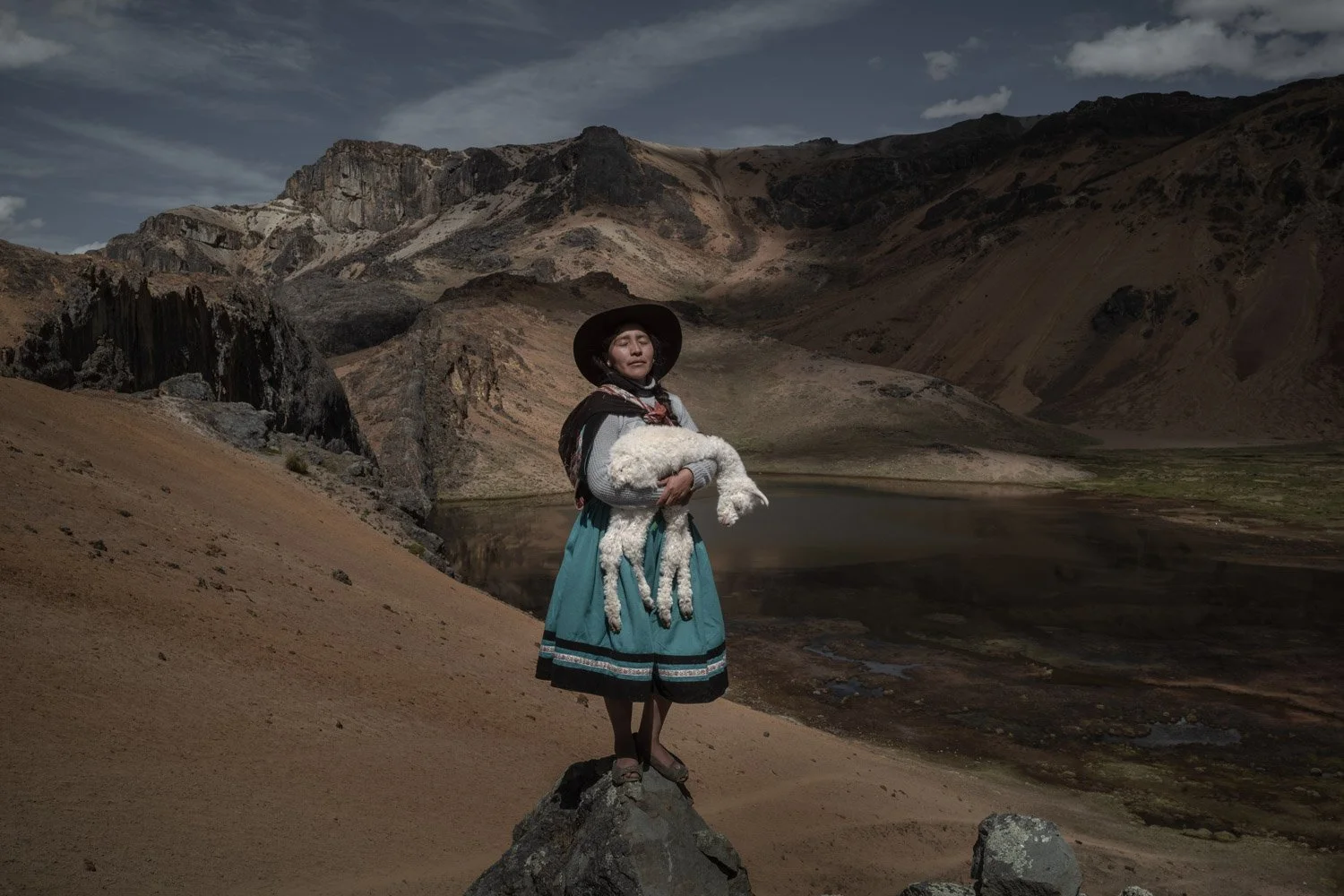


Series: Alpaqueros
Title: Alina, 2021
Year: 2021
Size: Various
Technique: Fine Art Inkjet Pigment print
Paper: Hahnemühle Photo Rag, 305 gsm produced using pigmented Canon Lucia Pro
Signed: No
Limited: No
Certificate:This print does not come with a certificate. It will be imprinted with a dry stamp instead.
Additional Information: Prints are shipped from Italy - The cost of shipping is included in the price worldwide - Delivery time is about two weeks.
If you have a question please contact me at the following address info@alessandrocinque.com